
Lifestyle
Tina Maynard’s Cardiac Journey and Reminder to Know the Signs
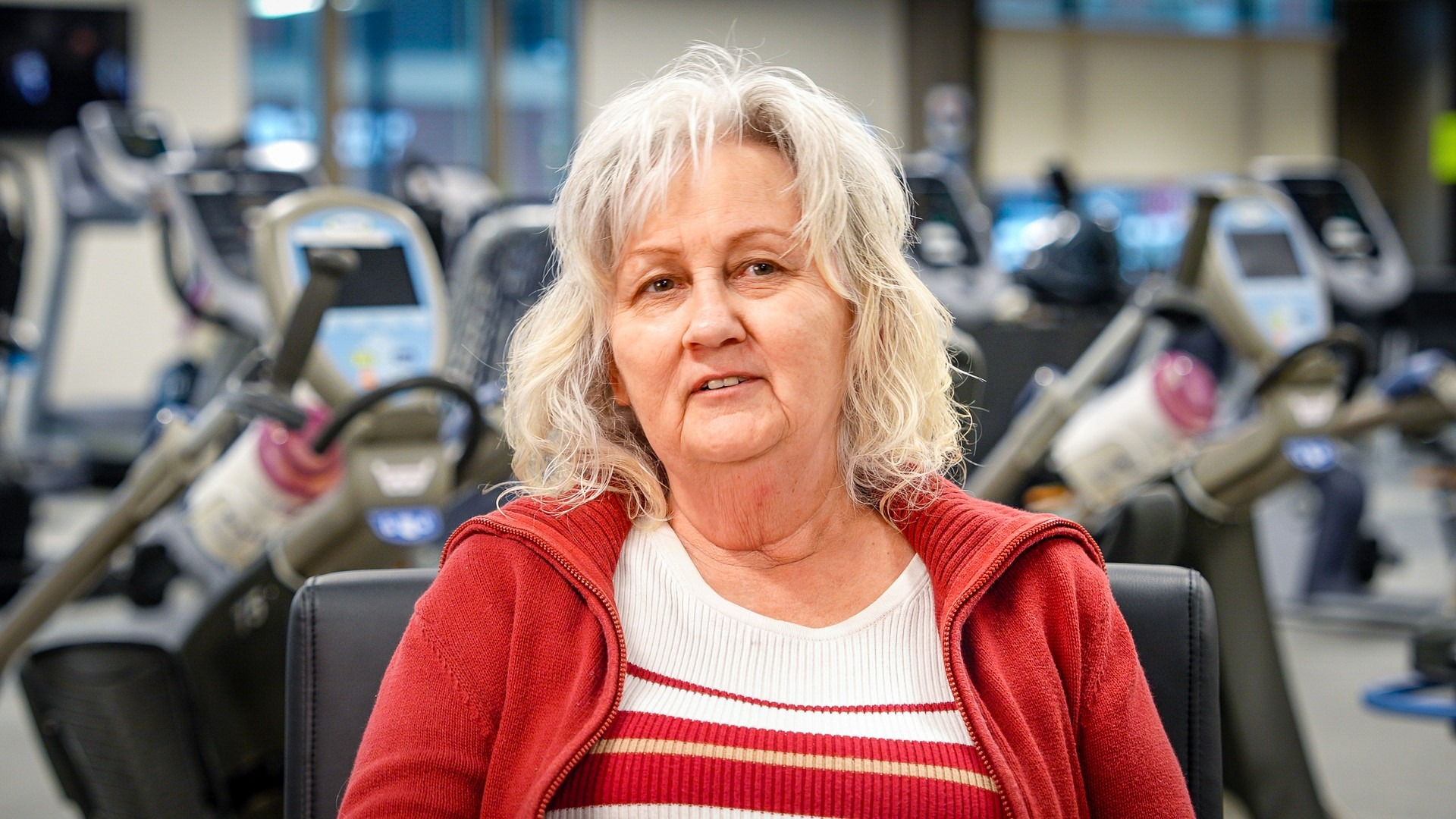
As Heart Month comes to a close, Cookeville Regional Medical Center (CRMC) is sharing the story of one of their own. A story that proves no one is immune to heart disease and that recognizing the warning signs can make all the difference between life and death. For CRMC employee Tina Maynard, career and health merged in the summer of 2025.
As a CRMC Personal Care Assistant (PCA) in the cardiac step-down unit (CSDU), Maynard was well acquainted with heart related incidents, but in July, her experience shifted to firsthand.
During a shift in July, Maynard experienced two alarming episodes. The first occurred while she was inside a patient’s room and the second brought her to a halt outside the nurses’ station unable to push through the pain and pressure she was feeling.
“I felt a tight squeeze in my chest and I would get really short of breath and have to sit down. At the prompting of my coworkers, I went to the ER and failed a stress test. I then went into surgery and everything went great. I was discharged from the hospital, took two weeks off from work, and now I am back to work. My life is much better,” said Maynard.
Her coworkers’ quick thinking and Tina’s willingness to listen to her body likely saved her life. It is a lesson she now carries with her every day.
Tina’s symptoms: chest tightness and shortness of breath are among the most common warning signs of a heart attack, but not every heart attack looks the same, and symptoms in women can differ from what many expect. The American Heart Association urges everyone to know these warning signs:
- Chest discomfort- pressure, squeezing, fullness, or pain in the center or left side of the chest
- Shortness of breath – with or without chest discomfort
- Discomfort in the upper body — pain or discomfort in one or both arms, the back, neck, jaw, or stomach
- Cold sweat, nausea, or lightheadedness
- Unusual fatigue — especially in women, extreme tiredness for no clear reason can be a warning sign
According to the American Heart Association, as with men, women’s most common heart attack symptom is chest pain or discomfort. Some women having a heart attack describe upper backpressure that feels like squeezing or a rope being tied around them. Women may have other symptoms that are typically less associated with heart attack, such as:
- Anxiety
- Shortness of breath
- Upset stomach
- Pain in the shoulder, back or arm
- Unusual tiredness and weakness
If someone is experiences any of these symptoms, call 9-1-1 immediately. Do not drive yourself to the hospital. Paramedics can begin lifesaving treatment. Every minute matters.
Following her surgery, Tina enrolled in the Cardiac and Pulmonary Rehab Center at CRMC, where a dedicated team helped her regain her strength and confidence. She describes the experience as transformational.
“My interaction with the Rehab Center was wonderful from day one. Everyone was so helpful. They keep you monitored and taken care of so well. They help patients get better, quicker and that’s exactly what happened to me,” said Maynard.
As Heart Month ends, CRMC encourages the community to learn the signs and symptoms, listen to their body and know there is a heart team from EMS to cardiac intervention to cardiac rehabilitation at CRMC to support their heart journey.
For those in need of cardiac rehab or a medical staff-monitored exercise option, visit https://www.crmchealth.org/services/heart-vascular-center/cardiac-pulmonary-rehabilitation/ or call 931-783-2689 today to learn more.


