Uncategorized
Cookeville Regional Completes Tennessee’s First AltaViva Incontinence Procedure
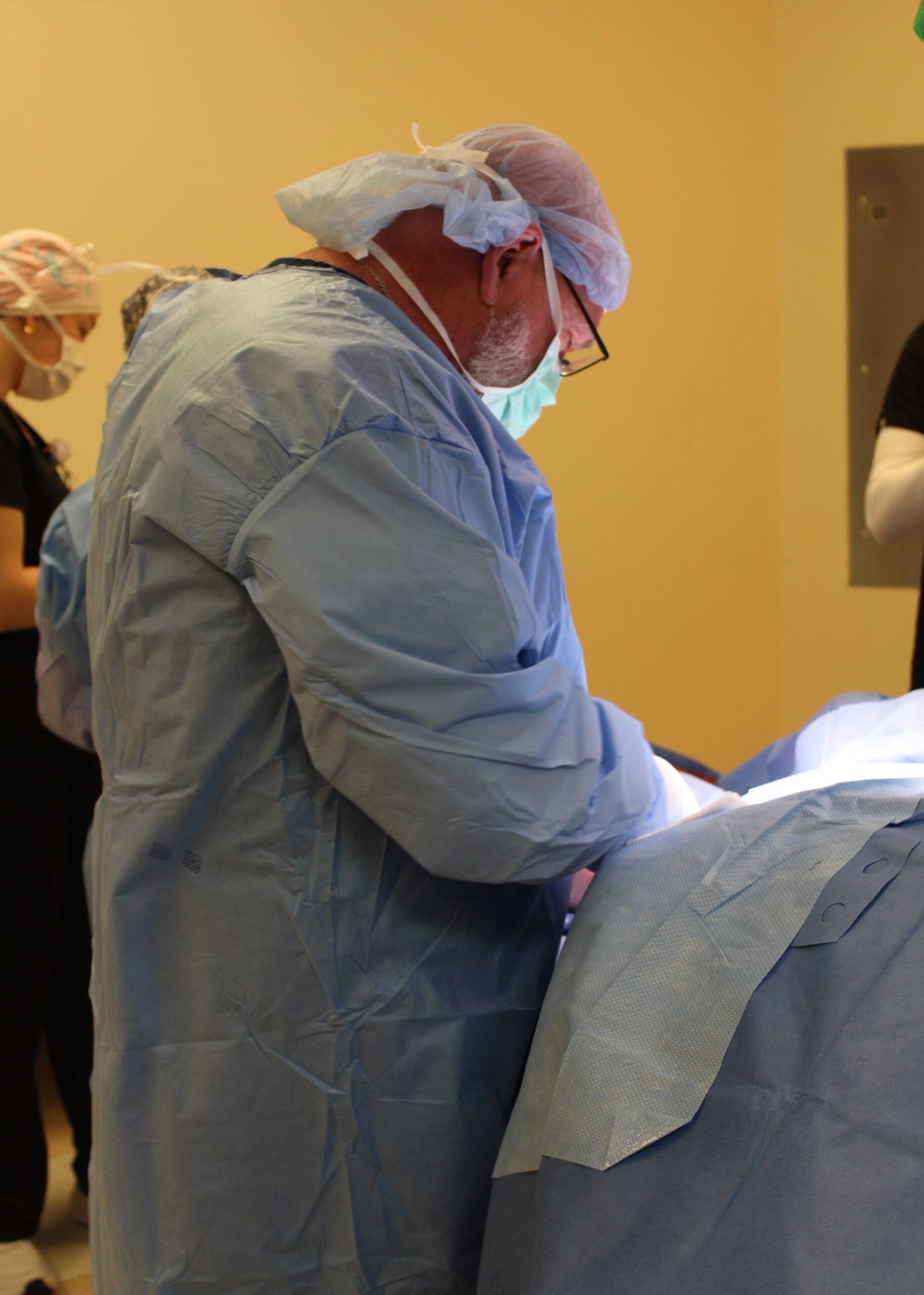
Board-certified urogynecologist Dr. Bert Geer and the surgery team at Cookeville Regional Medical Center recently completed the first successful AltaVivaTM procedure by an urogynecologist in Tennessee for urge incontinence.
AltaViva is a non-invasive option for women suffering from urge incontinence or UUI, also known as overactive bladder (OAB). It is characterized by a sudden, intense need to urinate that is difficult to delay, often leading to involuntary urine leakage.
“There are around 16 million adults with urge incontinence. When you look at treatment, there have been three initial options up to this point: therapy, diet and medication, but these only work in about 50% of cases. Then, you have to go to the next level which includes inter-bladder Botox or the more invasive path of having a lead inserted into the tailbone that stimulates the nerve leading to the bladder,” said Dr. Bert Geer.
He elaborated, “While we have good luck with the lead option, patients are understandably hesitant to undergo an intrusive surgical procedure. AltaViva bridges the gap for patients that don’t want that bigger procedure. With AltaViva, I’m able to stimulate the nerve that runs behind the ankle and by doing so also stimulate the nerve that runs to the bladder relieving the symptoms of urge incontinence for many with a much less invasive procedure.”
While still a burgeoning procedure, AltaViva shows tremendous promise for those facing urge incontinence. On the surgery’s history and potential impact.
Dr. Geer stated, “We found out about this nerve connection in the early 1980’s, and by the late 90’s we had FDA approval to apply an acupuncture needle into the ankle area nerve and stimulate the bladder area nerve with great results. However, with this procedure, the patient was required to come in once a week for 10-12 weeks. I can honestly say I’ve been waiting for AltaViva for 20 years. Now, I can put an implant behind the ankle that will stimulate the bladder area nerve three times per week and will last 15 years. What’s more, recharging is only needed once or twice each year and the device can go from zero to 100% charged in just 30 minute charge time. The device is approximately half the length of a stick of chewing gum and the procedure typically takes less than 20 minutes with only local anesthesia required, so the patient doesn’t have to go under.”
Trials started a couple of years ago for AltaViva, and once it was approved, Dr. Bert Geer was part of the first group of 20 invitation-only physicians to be trained. Dr. Geer is hopeful that many lives will be changed based on exciting early AltaViva data.
“In AltaViva’s clinical trials, 80% of women were satisfied with treatment and would recommend it to a friend. These are patients for whom the other medical therapies failed, these aren’t easy cases, and the procedure still produced these incredible results. I’m thrilled that we can offer this life-altering procedure to the women of the Upper Cumberland right here at CRMC,” said Geer.
Keep Reading